The first time I heard my children negotiate a truce, they were four and six. The terms were unreasonable, the enforcement was erratic, and the whole thing collapsed within minutes. I was still proud of them. They had built something together, however briefly.
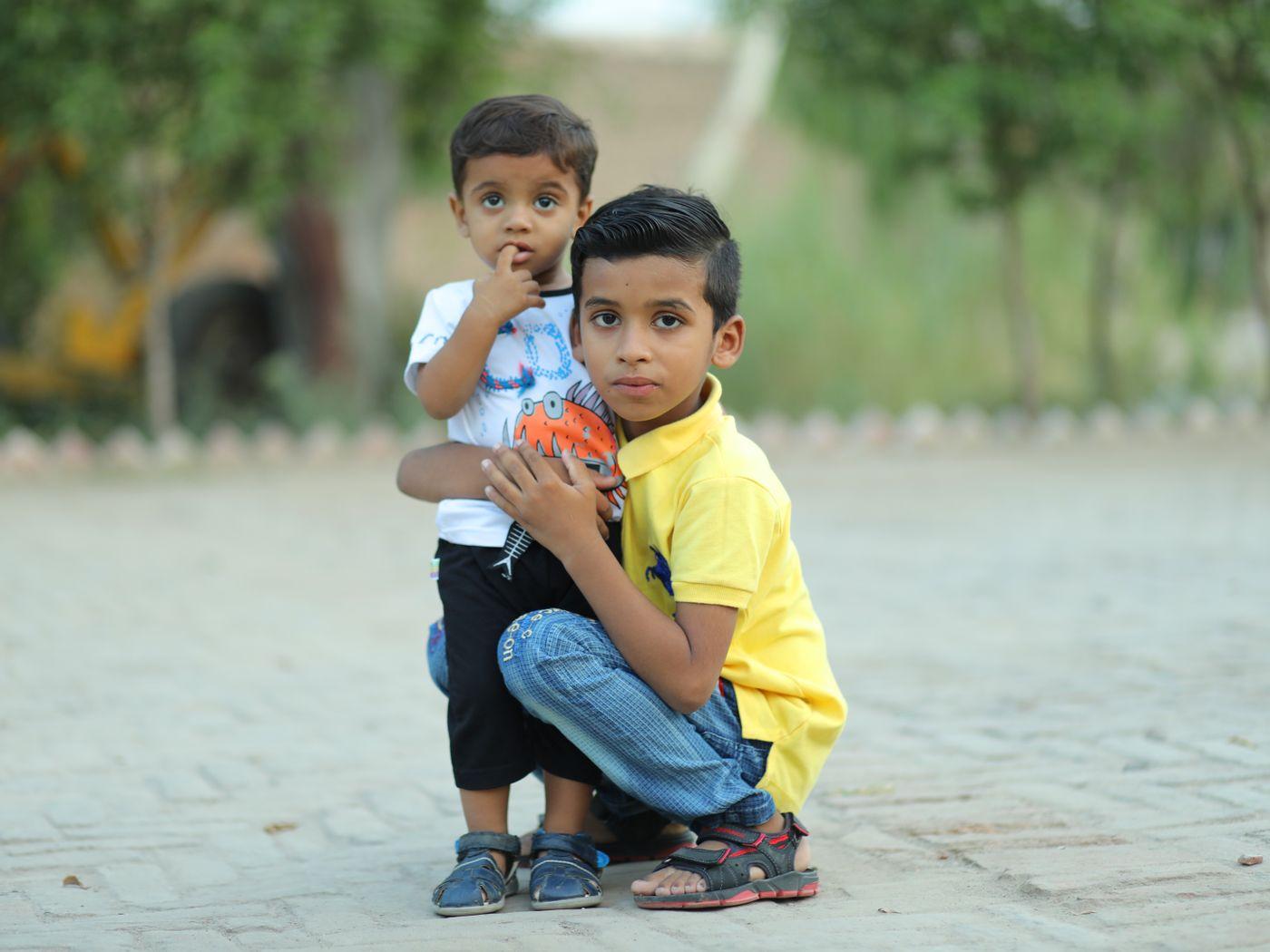
Siblings get a bad press in parenting advice. They are framed as a source of rivalry to be managed, or a problem to be solved. In practice, they are often the most consequential relationship in a child's early life.
The laboratory
A sibling is a peer who cannot be avoided. That is both the difficulty and the gift. You learn that another person has a perspective. You learn that fairness is not the same as sameness. You learn that you can be furious with someone and still want them at the table.
I do not want my children to be best friends. I want them to know how to stay in a relationship when it is inconvenient.
What parents can do, and what we cannot
We can set the conditions: enough rest, enough attention, a clear line against cruelty. We can refuse to make one child the villain of every story. We can model repair, because they will learn more from how we come back after a sharp word than from any lecture about kindness.
We cannot make them like each other. That is their work. Our job is to keep the table large enough for both of them, even on the days when they would rather sit at opposite ends.