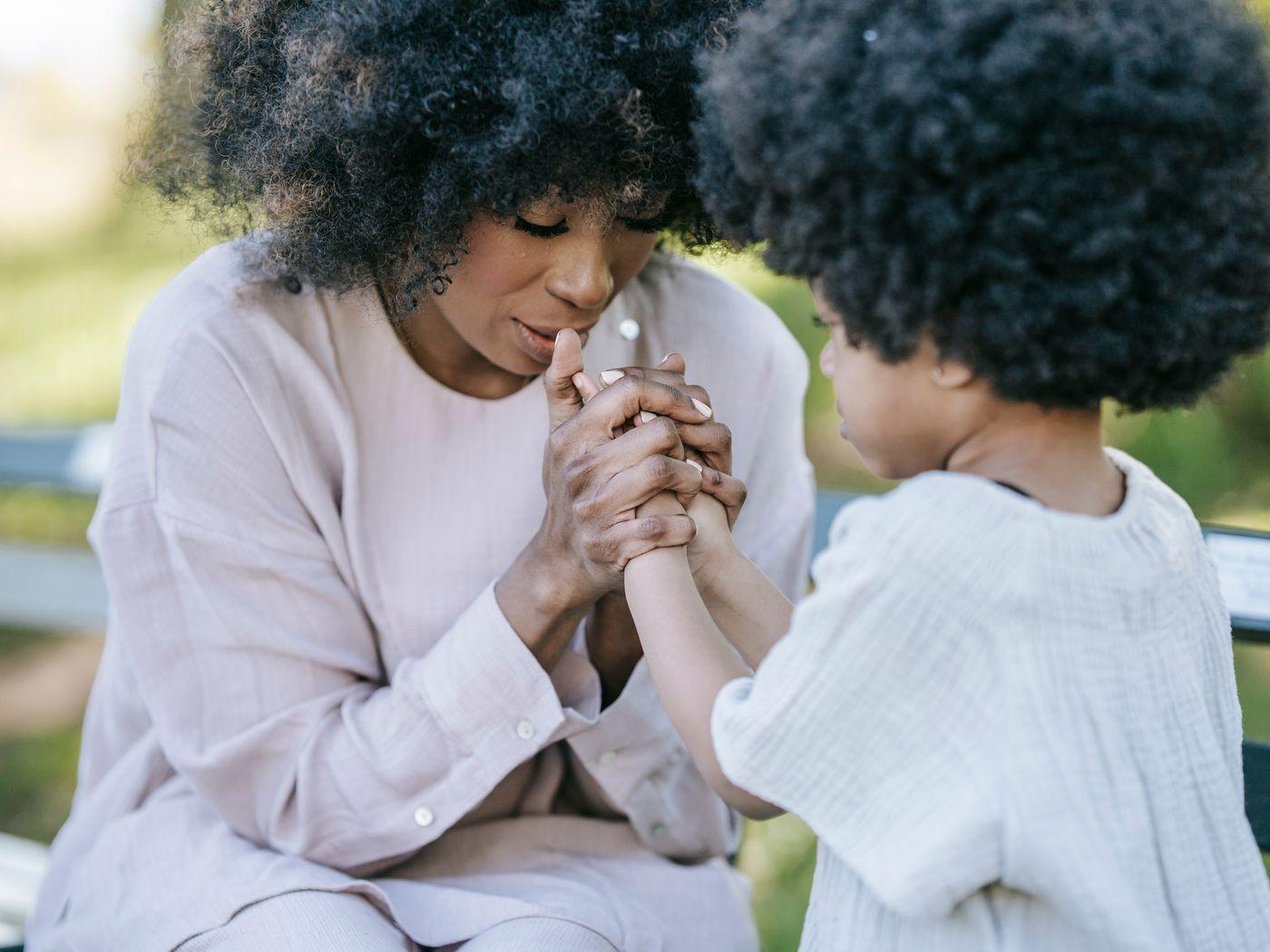
The hour is 5.47pm and the house has reached its daily crescendo. One child needs a form signed, another is explaining a grievance that began at lunchtime, and the pot on the stove is making the sound it makes just before it catches. I am standing in the middle of it holding a hairbrush I do not remember picking up.
Nothing about this moment is unusual. That is the part I keep returning to. Motherhood is often described in milestones, but it is lived in these unremarkable, overfull hours — the ones that do not photograph well and rarely make it into the group chat.
The myth of the return
For a long time I was waiting to return to myself. I had a mental picture of the woman I was before children, and I assumed that once sleep improved, or the youngest started nursery, or the calendar cleared, I would simply resume her life.
I did not return to an earlier version of myself. I grew a different one, in the same body, around the same kitchen table.
The return never arrived because it was the wrong destination. The woman who emerged from those early years was not a diminished copy of the one who went in. She had a shorter fuse and a longer view. She could hold more contradictory feelings at once. She had learned, slowly, that love is not a substitute for sleep or money or a door that closes.
A smaller definition of enough
What helped was not a grand reinvention. It was a quieter accounting. I started asking what would make today survivable rather than exemplary, and I found that the answer was usually small: a walk without a destination, a meal that did not require a second trip to the shop, fifteen minutes with a book before the evening administration began.
- One thing that is only mine, even if it lasts ten minutes.
- One task I am allowed to do badly this week.
- One person I can tell the truth to without first making it funny.
This is not a prescription. Every household has its own weather. But I have come to distrust any version of motherhood that requires us to pretend the hard parts are not happening. The days that ask everything are not evidence that we are doing it wrong. They are evidence that we are doing something large.
The pot did catch, by the way. We had toast for dinner. The form was signed late. Nobody remembers it now except me, and I am trying to learn how to let that be enough.