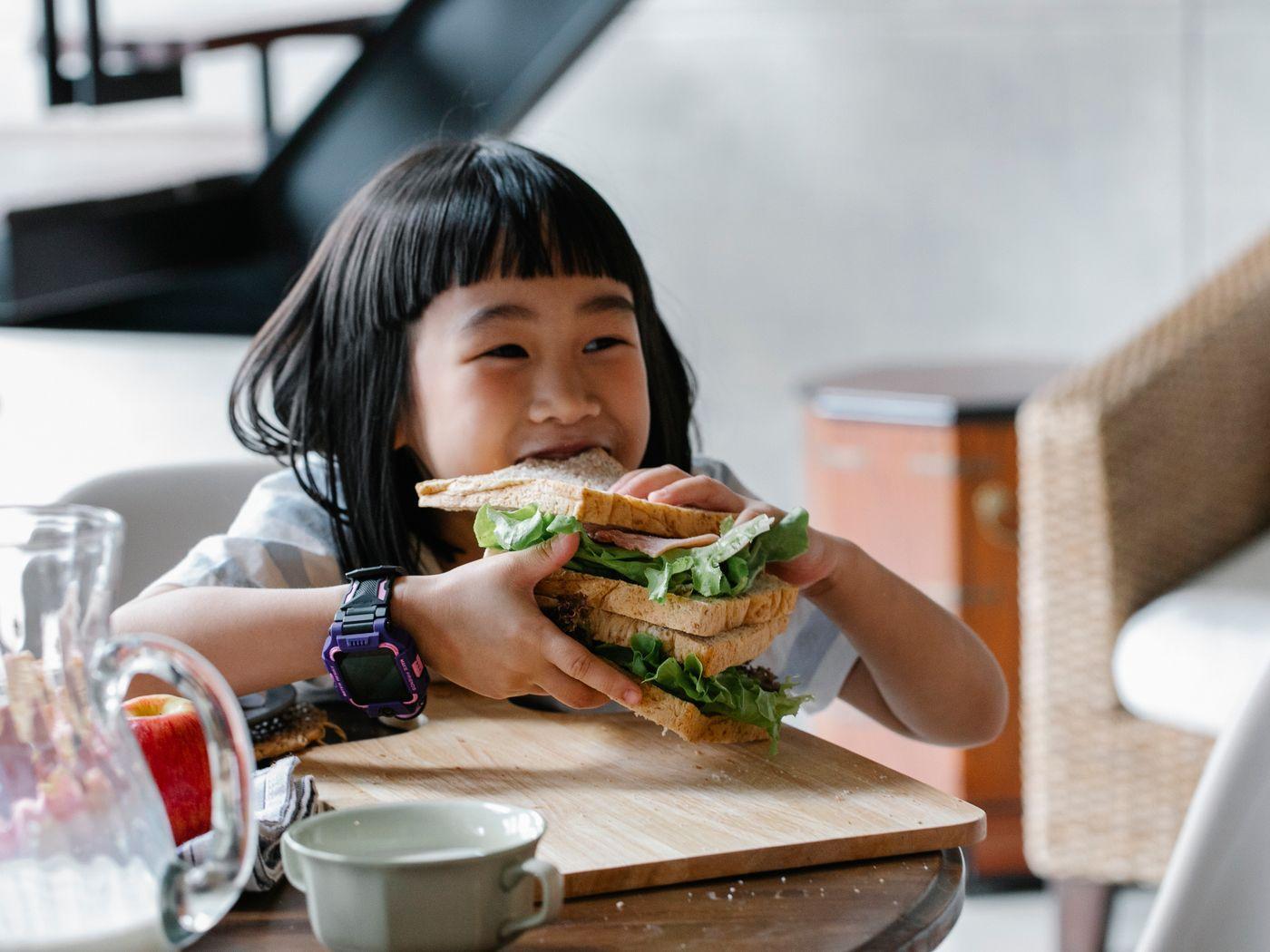
The lunchbox comes home with three bites taken out of the sandwich and a note from the teacher about the chocolate biscuit. There was a time when I would have interpreted this as a verdict on my parenting. Now I interpret it as information.
Packed lunches are one of the places where the ideal of the perfect family meal collides with the reality of a twenty-minute lunch break and a child who suddenly hates cucumber.
Aim for a pattern, not a plate
I stopped trying to construct a nutritionally complete masterpiece every morning. Instead I work with a simple pattern: something substantial, something fresh, something crunchy, something that makes lunch feel good. The categories are flexible. The point is the structure.
A lunchbox is not a report card. It is a small, portable act of care.
Involve the client
The most effective change we made was letting my daughter choose from a short list. She is more likely to eat something she had a hand in packing, and I am less likely to spend the evening resentfully cutting vegetables into decorative shapes.
- Keep a shelf of lunchbox options that everyone can see.
- Pack the night before whenever possible.
- Include one reliable favourite, even if it is a little boring.
- Ask what is actually being eaten, rather than what you wish was being eaten.
For specific nutritional concerns, speak with your child's clinician or a registered dietitian. This is a practical piece, not a prescription.